
Precision Automotive Plastic Parts Manufacturer You Can Trust
Have you ever wondered what makes modern vehicles so lightweight, durable, and fuel-efficient? Automotive plastic parts manufacturing is the process of designing and producing high-strength, heat-resistant plastic components that replace heavier metal parts in cars. It works by using advanced injection molding and precision tooling to create everything from interior dashboards to under-the-hood engine covers. The key benefit is significant weight reduction, which improves a vehicle’s performance and efficiency without sacrificing strength or safety.
Engineering Precision: The Core of Modern Plastic Component Production
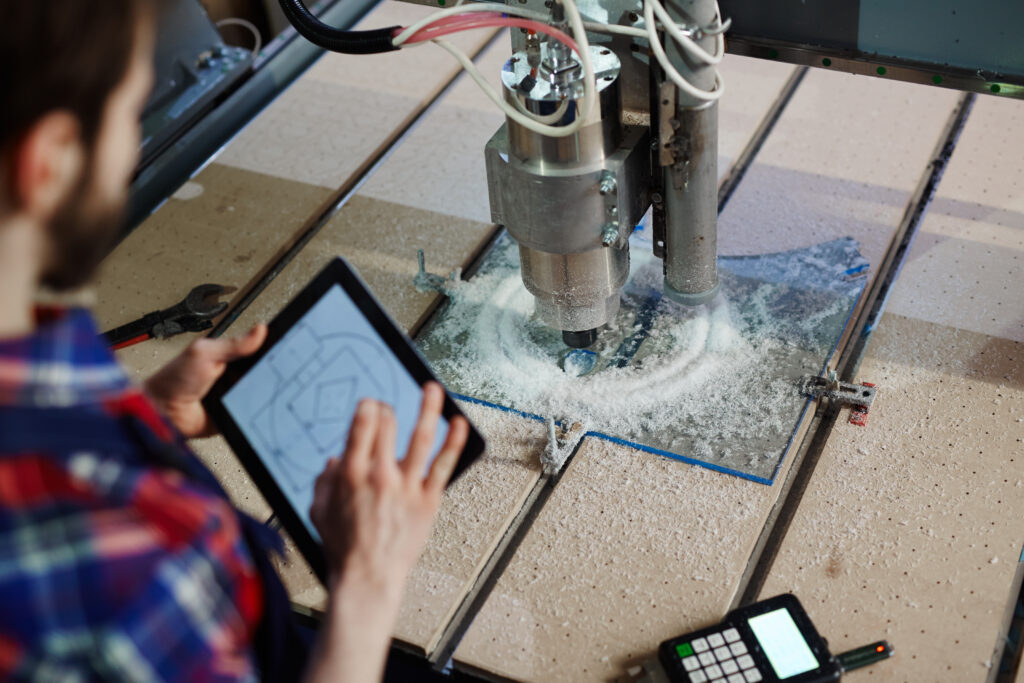
For an automotive plastic parts manufacturer, engineering precision dictates every stage of production. From initial mold flow analysis to micron-level tool steel machining, exacting tolerances ensure components like intake manifolds or sensor housings snap-fit seamlessly into assemblies. Computer-controlled injection molding machines must maintain consistent melt temperatures and cavity pressures within fractions of a percentage point to prevent warpage from thermal shrinkage. High-speed in-process measurement systems verify critical features like sealing surfaces or mounting bosses at cycle time, rejecting any deviation that could cause vibration or fluid leaks. A single gate vestige polished to a 0.2-micron surface finish can determine whether a transmission valve body performs reliably under extreme thermal cycling. This relentless focus on dimensional repeatability and material property consistency makes precision engineering the non-negotiable bedrock of durable, interchangeable plastic parts for modern vehicles.
Material Selection for Durability and Performance
At an automotive plastic parts manufacturer, material selection for durability and performance is the non-negotiable foundation of component longevity. Engineers specify **advanced engineering thermoplastics** like PA66-GF30 for under-hood heat resistance and POM for high-cycle mechanical wear. Each polymer is chosen for specific load, thermal, and chemical exposure data. For instance, a bumper bracket demands impact-modified PP, while a fuel system seal requires PVDF for hydrocarbon barrier integrity. Incorrect resin choice guarantees premature cracking or deformation. The table below contrasts three common use cases:
| Component | Material | Key Performance Demand |
|---|---|---|
| Engine Cover | PA6+30%GF | Thermal stability up to 180°C |
| Gear Housing | POM-H | Low friction & creep resistance |
| Wiring Connector | PBT+PET | High dielectric strength & moisture resistance |
Injection Molding Techniques Driving Industry Standards
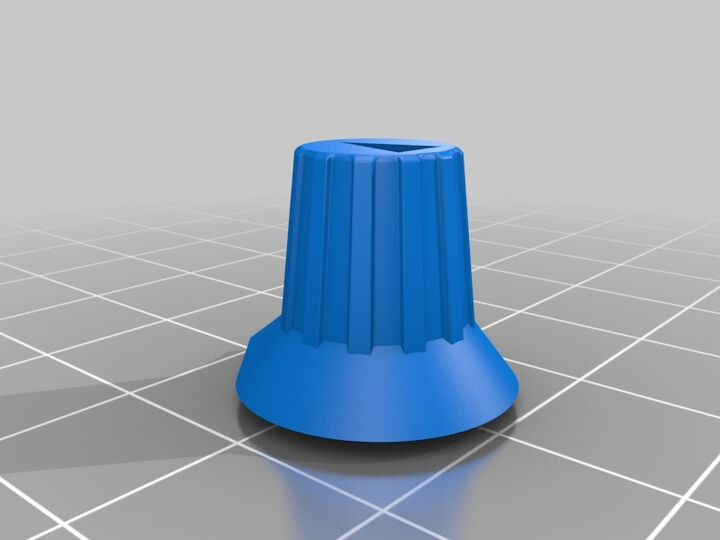
Injection molding techniques drive industry standards by enabling micron-level tolerances and repeatable part geometry for demanding automotive applications. Precision mold design, incorporating conformal cooling channels, ensures uniform thermal distribution during the cycle, reducing warp and sink marks. The adoption of gas-assisted injection molding allows for hollow core geometries, improving structural rigidity while reducing material weight. Multi-shot or co-injection processes bond dissimilar polymers directly, eliminating secondary assembly steps for components like dash panels. Sequence follows:
- Melt preparation with consistent viscosity via closed-loop temperature control.
- High-speed injection through hot runner systems to maintain material integrity.
- Pack-phase pressure profiling to compensate for shrinkage.
These techniques directly influence cycle efficiency and part quality for manufacturers.
Quality Control Metrics in High-Volume Molding
In high-volume molding, real-time process capability indices like Cpk and Ppk are non-negotiable for dimensional consistency across millions of parts. Automated vision systems measure critical-to-quality features every cycle, instantly flagging deviations in flash, sink marks, or warpage. Statistical process control (SPC) charts track cavity-specific pressure and temperature, triggering corrective shot adjustments before a single bad batch exits the press. For predictable results, the sequence is:
- Pre-production mold flow analysis to establish baseline parameters.
- In-cycle inline inspection for wall thickness and gate vestige.
- Post-mold coordinate measuring machine (CMM) validation on random samples.
Sustainability Strategies Reshaping Plastic Part Fabrication
The automotive parts manufacturer now routinely closes the loop by reclaiming post-industrial scrap, feeding it directly back into injection molding machines for non-visible under-hood components. This shift transforms what was once waste into reliable feedstock, cutting virgin resin consumption. A designer might optimize wall thickness with generative AI, shaving grams from every bracket without compromising crash integrity. This material discipline forces molders to reconcile cycle speed with long-term part density, a balancing act learned through years of trial runs. The shop floor hums with recycled ABS flowing into bumper brackets, each gate mark a quiet testament to circular thinking.
Closed-Loop Recycling Systems for Production Waste
For automotive plastic parts manufacturers, closed-loop recycling systems for production waste directly capture scrap from injection molding, trimming, and assembly. This waste is reground, re-compounded, and re-introduced into the same production cycle for the same or similar parts, maintaining material grades and reducing virgin resin consumption. Proper segregation prevents contamination from coatings or inserts, preserving mechanical properties and color consistency. Granulate size and moisture content must be precisely controlled to avoid flow defects in subsequent molding runs.
- Regrind is blended with virgin material at specified ratios (typically 10–30%) to guarantee part performance meets OEM tolerances.
- In-line shredders and conveyors automate waste collection directly from press-side, minimizing labor and material degradation.
- Material verification via melt flow index and tensile testing ensures regrind batches meet original specification before re-introduction.
Bio-Based Polymers and Lightweighting Initiatives
Bio-based polymers, derived from renewable sources like corn or sugarcane, are increasingly utilized by automotive plastic parts manufacturers to replace petroleum-based resins in non-structural components. These materials contribute to lightweighting initiatives for vehicle efficiency by offering comparable strength at reduced density, directly lowering fuel consumption. Concurrently, lightweighting initiatives drive the adoption of natural fiber-reinforced composites and cellular foaming techniques, which minimize part mass without compromising durability. Manufacturers integrate bio-based feedstocks into high-volume injection molding processes for interior trim and underhood covers, balancing material flow characteristics with weight targets.
Lifecycle Assessment from Raw Polymer to End-of-Life
For an automotive plastic parts manufacturer, a comprehensive Lifecycle Assessment from Raw Polymer to End-of-Life quantifies environmental impact at every stage. This begins with polymer extraction and pellet production, tracking energy use and emissions. Fabrication processes like injection molding are then analyzed for material yield and waste generation. The use phase accounts for vehicle weight reduction benefits. Finally, end-of-life modeling evaluates recyclability and energy recovery potential. A precise sequence governs this analysis:
- Cradle-to-gate raw polymer sourcing and transport impacts.
- Manufacturing process energy and scrap losses.
- Use-phase fuel savings from lightweight parts.
- End-of-life recycling feasibility or landfill allocation.
This data directly informs material selection and design for disassembly.
Supply Chain Agility in a Globalized Component Market
For an automotive plastic parts manufacturer, supply chain agility in a globalized component market relies on multi-sourcing critical resins and additives from different geopolitical regions, avoiding single-point failures. This requires establishing pre-qualified backup suppliers for high-volume polymers like ABS or polypropylene, enabling rapid volume shifts when primary sources face disruptions. Real-time inventory tracking across tier-2 and tier-3 suppliers allows dynamic reallocation of injection molding machine capacity between customer orders. The manufacturer must maintain flexible logistics contracts with freight forwarders for air and sea options, allowing rerouting of component shipments within 48 hours. Modular tooling designs further support agility by permitting quick changeovers between part families on shared press lines, reducing dependency on any single factory node.
Just-in-Time Delivery Models for Assembly Lines
For an automotive plastic parts manufacturer, just-in-time delivery models for assembly lines mean synchronizing your injection molding output directly with the car plant’s schedule. You ship small, frequent batches of bumpers or dashboards—often within a two-hour window—so the assembly line never pauses. This requires reliable logistics, like dedicated trucks and real-time communication with the OEM. You avoid warehousing costs for bulky parts, but the trade-off is zero room for error; a late shipment stops the line, so you need buffer stock for critical items like clips or brackets. A simple way to track this is comparing planned vs. actual delivery precision.
| Aspect | On-Time Delivery | Partial-Use Delivery |
|---|---|---|
| Batch size | Small, frequent (every shift) | Larger, weekly |
| Warehouse need | Minimal | Moderate |
| Line stop risk | High if late | Lower, but higher storage |
Dual Sourcing and Risk Mitigation for Critical Parts
For a manufacturer of automotive plastic parts, dual sourcing for critical parts directly mitigates supply disruptions by qualifying two independent suppliers for the same injection-molded component. This requires splitting production volumes to maintain each supplier’s capacity and ensuring both molds or tools are validated to identical quality specifications. Risk mitigation further involves staggered lead times and buffer stock agreements with each source, preventing a single point of failure. Regular audits of both suppliers’ raw material reserves and production schedules are essential to sustain the strategy.
- Quality and certify two separate tooling sets for the same part to avoid dependency.
- Establish split-volume contracts (e.g., 60/40) to keep both suppliers operationally ready.
- Maintain separate safety stock levels per source to cover switch-over periods.
Digital Inventory Management and Traceability
For an automotive plastic parts manufacturer, real-time lot-level traceability is the backbone of supply chain agility. Digital inventory systems replace manual stock checks with automated sensors and barcode scanning, instantly locating every batch of polypropylene or finished dashboard panel. This precision prevents production halts caused by misplaced components and enables rapid, targeted recalls if a material defect is found. By integrating with suppliers’ systems, you gain visibility into inbound inventory status, allowing proactive reordering before a shortage occurs. The result is reduced waste, lower carrying costs, and faster response to last-minute OEM schedule changes.
Digital inventory management provides instant, precise visibility of all parts, while traceability ensures every component’s journey is trackable from raw material to final assembly, enabling swift, informed decisions.
Advanced Tooling and Mold Design for Complex Geometries
For an automotive plastic parts manufacturer, advanced tooling and mold design for complex geometries is critical for production of components like intricate air intake manifolds or multi-cavity connector housings. This requires utilizing conformal cooling channels, often via additive manufacturing of mold inserts, to ensure uniform temperature distribution and prevent warpage in thin-walled, high-strength parts. Q: How is complex undercut geometry addressed in a mold? A: Through precision sliding core systems or collapsing cores, designed via 3D simulation to avoid weld lines and ensure clean ejection. High-strength tool steels and specialized coatings are selected to withstand the high injection pressures needed for these tight-tolerance features, directly impacting cycle times and part quality.
Multi-Cavity Molds and Cycle Time Optimization
For an automotive plastic parts manufacturer, cycle time reduction via multi-cavity molds is paramount. By distributing multiple identical geometries across a single tool, you drastically increase per-shot output without extending machine time. Optimizing the runner system becomes critical—balancing melt flow to each cavity prevents packing imbalances that delay cooling. Strategically placed conformal cooling channels, paired with balanced gate locations, simultaneously lower thermal stress and shorten solidification phases. This tight orchestration of cavity layout and thermal management transforms a multi-cavity mold into a high-efficiency production engine, slashing unit cost while maintaining strict dimensional uniformity across every complex automotive part.
Hot Runner Systems Reducing Material Waste
In advanced mold design for complex automotive geometries, hot runner systems drastically reduce material waste by eliminating the cold runner channel, which in conventional molds becomes a solid scrap part requiring regrinding or disposal. Precision temperature control keeps the plastic melt in the runners fluid throughout the cycle, so no material is purged or discarded between shots. For intricate components like multi-cavity connectors or thin-walled ducts, this minimizes regrind contamination and ensures near-100% material utilization per shot, directly lowering raw material costs.
Hot runner systems eliminate cold runner scrap, achieving near-complete material utilization and reducing waste to virtually zero for complex automotive plastic parts.
3D Printing Applications in Prototyping and Production Tools
3D printing applications in prototyping and production tools transform how an automotive plastic parts manufacturer validates complex geometries before hard tooling. Functional prototypes are printed in production-grade thermoplastics for fit, form, and snap-fit testing. For low-run production, the process directly manufactures conformal cooling channels within aluminum or steel tooling, drastically cutting cycle times. A single printed tool insert can replace multiple machined components, reducing lead time from weeks to days. The typical sequence is:
- Print a prototype for dimensional validation under heat and load.
- Iterate geometry based on real-world stress data.
- Print sacrificial tooling for short-run injection molding trials.
- Produce end-use production tools with integrated cooling channels.
Regulatory Compliance and Safety Standards in Part Manufacturing
For an automotive plastic parts manufacturer, regulatory compliance and safety standards dictate material selection, process validation, and part traceability. Each component must meet specifications for flame retardancy, chemical resistance, and mechanical impact, verified through documented testing. How do manufacturers ensure consistent compliance? By implementing in-process quality checks and maintaining detailed batch records for every molded part, from raw material lot numbers to final dimensional inspection results. This rigorous adherence prevents non-conforming parts from entering vehicle assemblies, protecting end-user safety and ensuring the part functions correctly under stress and temperature variations.
Meeting FMVSS and ECE Requirements for Interior Components
Meeting FMVSS and ECE requirements for interior components demands precise material selection and validated testing protocols for automotive plastic parts manufacturer. For FMVSS 302, interior plastics must pass horizontal burn rate limits, while ECE R118 mandates vertical flame propagation and melting behavior tests. Each regulation specifies distinct ignition sources and duration thresholds, directly influencing the choice of flame-retardant additives and part geometry. The regulatory divergence in test methods forces manufacturers to maintain parallel validation streams—FMVSS uses a 12-second ignition, ECE a 15-second exposure—ensuring part designs satisfy both U.S. and European markets without redundant tooling changes.
| Requirement | FMVSS 302 | ECE R118 |
| Test Orientation | Horizontal | Vertical |
| Ignition Duration | 12 seconds | 15 seconds |
| Burn Rate Criterion | ≤102 mm/min | Self-extinguishing |
| Melt Drip Control | Not specified | No burning drips |
Flame Retardancy and VOC Emission Control
For automotive plastic parts manufacturers, balancing flame retardancy and VOC emission control is critical. Flame retardant additives, often halogenated or phosphorus-based, must suppress ignition without increasing volatile organic compound (VOC) off-gassing during thermal cycling inside vehicles. Manufacturers select low-VOC retardant formulations that meet FMVSS 302 burn rates while complying with OEMs’ stringent total carbon emission limits (e.g., VDA 278). Over-application of retardants raises VOCs, so precise compounding and post-mold degassing are used to reduce residual monomers and solvents, ensuring interior parts pass fogging and odor tests without sacrificing burn resistance.

Q: How do manufacturers prevent VOC emissions from flame retardants in automotive plastics?
A: They choose encapsulated or polymeric flame retardants that chemically bond into the plastic matrix, minimizing free monomer release, and apply controlled cooling or vacuum degassing to extract VOCs before shipment.
Certifications for Global Market Access
For an automotive plastic parts manufacturer, certifications for global market access directly validate component compliance with regional safety and material standards. ISO 9001 and IATF 16949 certifications are baseline requirements for entering most automotive supply chains, while specific parts often require UL 94 flammability ratings or ECE R44/UN R129 approvals for vehicle interiors. Achieving ISO 14001 for environmental management and OHSAS 45001 for occupational health can satisfy European and Asian market prerequisites. Each certification involves a documented audit of production processes, material traceability, and quality control systems.
Certifications for global market access standardize quality, safety, and environmental criteria, enabling cross-border part distribution without re-testing or regulatory delays.
Surface Finishing and Aesthetic Customization Options
Inside the mold shop, the raw plastic part emerges as a blank slate, but the true character appears only through surface finishing and aesthetic customization. A skilled operator might first apply a chemical etch to create a subtle grain, mimicking leather grain or a brushed-metal texture on a dashboard trim. For a gloss-black pillar, we polish the tool steel to a mirror finish, then carefully control the injection speed to prevent flow lines—ensuring the reflection is flawless. A soft-touch coating, applied in a dust-free booth, transforms a hard center console into a premium, velvety interface. Meanwhile, in-mold decoration bonds a metallic film directly onto the plastic during molding, embedding a chrome-look finish that resists peeling for the life of the vehicle.
In-Mold Decoration Versus Post-Mold Painting Techniques
When deciding between in-mold decoration and post-mold painting for your plastic parts, think of it as a trade-off between efficiency and flexibility. In-mold decoration integrates the finish directly into the part during molding, offering exceptional durability and color consistency without secondary steps. This makes it a top choice for high-volume runs where long-lasting surface quality matters. Post-mold painting, however, gives you more freedom to change colors or create complex effects like metallic flake later in production. Just keep in mind that painting adds extra labor, drying time, and a higher risk of chipping over time compared to the seamless bond of in-mold techniques.
Texture, Grain, and Color Matching for Brand Identity
For an automotive plastic parts manufacturer, precise color matching and grain alignment directly reinforces brand identity through visual and tactile consistency. Texture and grain patterns, such as leather, stipple, or brushed metal, must be uniformly applied across dashboards, trims, and panels to replicate the intended OEM aesthetic. Color matching involves spectrophotometric analysis to ensure batch-to-batch reproducibility under varied lighting, while grain depth and directionality affect light reflectance and perceived quality. These elements are engineered into the mold surface, making early collaboration between designers and toolmakers essential to lock brand-specific haptic and visual signatures before production begins.
Anti-Scratch and UV-Resistant Coatings
Anti-scratch and UV-resistant coatings are applied to automotive plastic parts to preserve optical clarity and surface integrity. These coatings typically use hardcoat resins or polyurethane clearcoats that cross-link into a dense matrix, resisting marring from contact and blocking ultraviolet degradation. For instrument panels and trim, this prevents hazing and discoloration over years of sun exposure. A logical application sequence involves plasma treatment for adhesion, then spray or flow-coat deposition, followed by thermal curing. The result is a durable automotive plastic finish that withstands daily abrasion and photo-oxidation without sacrificing gloss.
- Reduces visible microscratches from cleaning and dust contact
- Prevents yellowing and embrittlement caused by UV radiation
- Maintains low-gloss or high-gloss appearance consistently
Emerging Technologies in High-Volume Plastic Part Molding
For automotive plastic parts manufacturers, adopting multi-component injection molding allows direct overmolding of soft-touch surfaces or gaskets onto rigid structural parts in a single cycle, eliminating secondary assembly. Automated in-mold labeling for interior trim embeds graphics without post-print painting. A key question: “How do you maintain cycle time with complex molds?” The answer lies in conformal cooling channels, printed via additive methods, which dramatically reduce heat extraction time compared to conventional drilled channels, enabling consistent high-volume throughput without warpage. Prioritize real-time cavity pressure sensors to adjust pack-hold profiles on the fly, ensuring dimensional stability across millions of cycles.
Gas-Assist and Water-Assist Injection Processes
For an automotive plastic parts manufacturer, gas-assist and water-assist injection processes revolutionize high-volume production by creating hollow, reinforced channels within thick components. Gas-assist injects nitrogen to form smooth internal cavities, reducing sink marks and warpage on large parts like door panels. Water-assist uses high-pressure cooling to solidify thick sections faster, cutting cycle times significantly for structural ducts or fluid reservoirs. Both techniques lower material weight and clamp force requirements.
- Eliminates surface defects by pressurizing the core during cooling.
- Enables complex geometries like curved intake manifolds without secondary machining.
- Reduces part weight by up to 30% while maintaining structural integrity.
- Minimizes residual stress for improved dimensional stability in assemblies.
Overmolding and Insert Molding for Multi-Material Parts
Overmolding and insert molding for multi-material parts enables automotive manufacturers to combine rigid substrates with soft-touch elastomers or metal components in a single process. Overmolding bonds a second material over a pre-molded substrate, creating integrated grips, seals, or vibration-damping surfaces. Insert molding encapsulates metal inserts—threads, bushings, or sensors—within plastic during injection, eliminating secondary assembly. Both methods reduce part count and improve structural integrity by mechanically locking materials. Cycle times remain competitive with traditional molding when using multi-cavity tools and automated insert placement.
How does overmolding differ from insert molding for multi-material automotive parts? Overmolding adds a second plastic layer over an existing plastic substrate for texture or sealing, while insert molding encapsulates a metal component during the injection cycle for load-bearing or conductive features.
Automated Robotic Handling for Increased Throughput
Automated robotic handling slashes cycle times by integrating high-speed pick-and-place arms directly with molding presses, enabling lights-out production of complex parts like instrument panels. These systems execute precise demolding, trimming, and palletizing at rates exceeding twelve cycles per minute. A single robot cell can replace four manual operators while reducing part damage by over 90%. This directly translates to uninterrupted flow through downstream assembly stations, eliminating bottlenecks without requiring floor space expansion.
Automated robotic handling boosts throughput by synchronizing post-mold operations with press cycles, achieving consistent, sub-ten-second part transfers in high-volume automotive molding.
Custom Solutions for Interior, Exterior, and Under-Hood Applications
A leading automotive plastic parts manufacturer delivers custom solutions for interior, exterior, and under-hood applications by engineering precision components that meet exacting OEM specifications. For interiors, we produce durable trim, dashboards, and console panels with tailored textures and color matching. Exteriors demand weather-resistant bumpers, grilles, and body panels molded from advanced polymers for impact strength. Under-hood, we fabricate heat-resistant intake manifolds, fluid reservoirs, and engine covers that withstand extreme temperatures. True expertise lies in optimizing material selection for each zone’s unique thermal and mechanical demands. These tailored parts reduce assembly complexity and ensure long-term performance. Our process integrates rapid prototyping and production-grade tooling for seamless scalability. Choose a partner that provides end-to-end customization from design to delivery, guaranteeing fit, function, and durability across every vehicle system.
Dashboard Components, Door Panels, and Trim Elements
Custom dashboard components are molded from advanced thermoplastics to integrate air vents, infotainment bezels, and soft-touch surfaces into a single module. Door panels utilize multi-material injection techniques for armrests, switch housings, and map pockets, ensuring structural integrity and noise damping. Trim elements, including A/B-pillar covers and sill plates, are produced with precision grain finishes and metallic-effect plating to match luxury specifications. These parts are designed with snap-fit features for simplified assembly and reduced squeak-rattle performance.
Dashboard components, door panels, and trim elements are tailored through multi-material molding, decorative finishes, and integrated fastening systems to deliver fit, durability, and tactile quality.
Bumper Systems, Grilles, and Lighting Housings
For exterior impact zones, an automotive plastic parts manufacturer engineers bumper systems from energy-absorbing polymers like PC/ABS to meet crush standards while reducing weight. Grilles integrate precision-molded ABS or ASA for aerodynamic airflow management, with snap-fit features simplifying assembly. Lighting housings employ UV-stabilized polypropylene for durability under heat cycles, using multi-cavity tooling to achieve consistent optical clarity for lens alignment. Each component requires specific wall thicknesses and gate placement to avoid sink marks or warp during high-pressure injection molding.
Bumper systems, grilles, and lighting housings demand specialized polymer selection and process control for impact resistance, thermal stability, and optical precision in exterior automotive assemblies.
Engine Covers, Fluid Reservoirs, and Thermal Management Parts
Under the hood, precision-molded engine covers, fluid reservoirs, and thermal management parts serve critical roles beyond simple containment. Engine covers are designed for a tight, vibration-resistant fit using glass-filled nylon to reduce NVH while protecting sensitive components. Fluid reservoirs, typically blow-molded from HDPE or PA66, must withstand constant thermal cycling and chemical exposure from brake or coolant fluids without stress cracking. Thermal management parts, including air intake manifolds and cooling fan shrouds, rely on exact geometries to direct airflow and maintain engine temperature. The sequence for production involves:
- Material selection based on heat deflection and chemical resistance
- CAD simulation to validate airflow and fluid flow pathways
- Injection or blow molding with integrated sealing surfaces
- Leak and thermal cycle testing for functional validation
Each part must integrate seamlessly into the engine bay’s compact layout.
Cost-Efficiency Benchmarks for Prototyping to Mass Production
For an automotive plastic parts manufacturer, a cost-efficiency benchmark for prototyping demands that additive or soft-tooled parts cost no more than 10–15% of the final production unit price, validating design before hard tooling. As volume scales, break-even is typically reached at 5,000–10,000 units, where piece-price savings from high-cavitation molds offset tooling amortization. A hidden efficiency lever lies in aligning prototype materials to production-grade resins early, avoiding costly requalification cycles. The critical metric is total cost per part delivered, not ticket price alone.
Tooling Investment Versus Per-Part Pricing Models
For an automotive plastic parts manufacturer, the decision between high upfront tooling investment versus per-part pricing models hinges on production volume projections. A larger initial mold cost typically reduces the per-unit price through amortization, making it viable for high-volume programs. Conversely, lower tooling fees paired with elevated piece prices suit prototyping or low-volume runs, deferring capital. This trade-off demands precise lifecycle volume forecasting to avoid overcapitalizing tools for transient projects or accepting punitive piece prices for sustained production. The chosen model directly dictates cash flow allocation and program profitability benchmarks.
Cycle Time Reduction Through Process Automation
Cutting cycle time through automation lets you push more parts out the door without expanding your floor space. For an automotive plastic parts manufacturer, swapping manual pick-and-place for robotic cells can shave seconds off each injection cycle. Pair this with automated mold temperature control that reacts faster than any operator, and you consistently hit repeatable production speed across every shift. Here’s a simple sequence to start:
- Automate part removal with a servo-driven robot to eliminate wait times from manual extraction.
- Integrate conveyor sensors that trigger the next mold close instantly.
- Add closed-loop cycle monitoring to flag any slowdown before it costs you a batch.
Material Scrap Minimization and Energy-Efficient Operations
Material scrap minimization directly reduces per-part cost by optimizing gate and runner designs in injection molding, while closed-loop regrind systems reprocess sprues and defective parts. Energy-efficient operations lower utility expenses through servo-driven pumps that cut hydraulic power consumption by up to 50% during cooling phases. Precise temperature control in barrel zones prevents FOX MOLD plastic injection mold manufacturer material degradation, simultaneously reducing scrap and avoiding energy waste from overheating. Coordinating these strategies ensures that prototyping parameters—like melt temperature hold times—translate to production without costly rework or oversized chiller loads.
Industry Partnerships Driving Innovation in Plastic Fabrication
For an automotive plastic parts manufacturer, industry partnerships directly drive innovation by enabling co-development of advanced materials and production techniques. Collaborating with resin suppliers allows access to custom polymer blends that enhance part durability and weight reduction. Joint engineering with automotive OEMs facilitates the application of additive manufacturing for rapid prototyping of complex geometries, shortening development cycles. Integration with tooling specialists refines injection molding processes to achieve tighter tolerances and reduce cycle times. These alliances often shift from transactional supply to iterative problem-solving, where each partner adapts their processes to meet the unique structural and thermal demands of next-generation vehicle components.
Collaborations with OEMs for Co-Developed Components
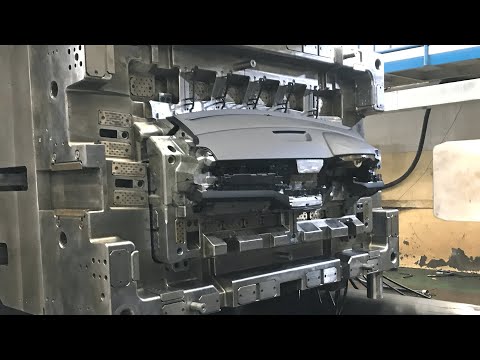
In collaborations with OEMs for co-developed components, the automotive plastic parts manufacturer integrates directly into the OEM’s engineering timeline, iterating on joint design validation through real-time CAD data exchange. This eliminates material guesswork by running mold-flow simulations on the OEM’s specific production volumes, then adjusting glass-fiber orientation or wall thickness before cutting steel. The manufacturer also coordinates prototype tooling schedules to match the OEM’s accelerated build events, ensuring dimensional correlation between injected parts and the final assembly fixture. Such alignment reduces the number of post-launch engineering changes, as both parties own the same plastic fatigue data from day one.
Material Supplier Integration for Advanced Polymer Blends
Material supplier integration for advanced polymer blends involves embedding raw material experts directly into the automotive manufacturer’s R&D cycle. This enables real-time formulation adjustments to achieve specific melt flow, impact resistance, or thermal stability targets for under-hood components or interior panels. By sharing proprietary compatibilizers or nanofiller dispersion techniques, the supplier accelerates polymer blend optimization during prototyping, reducing trial iterations from weeks to days. The manufacturer gains direct access to rheological data and processing parameters that predict injection molding behavior, ensuring the final part meets dimensional and mechanical specifications without costly retooling.
Material supplier integration transforms polymer blend development from a transactional supply chain into a collaborative engineering partnership, where immediate technical feedback fine-tunes material properties for production-ready parts.
Research Consortia Focused on Lightweighting and Electrification
When you join a research consortia focused on lightweighting and electrification, you’re directly collaborating on specific material science projects. These groups pool resources with OEMs and resin suppliers to test new high-heat thermoplastics for battery housings or composite formulations that replace metal in structural parts. You get firsthand access to validated processing data for injection molding thin-wall EV components, skipping the solo R&D guesswork. Many consortia share tooling trials for joining dissimilar plastics in e-axle enclosures, letting you apply proven solutions to your own production line without reinventing the wheel.